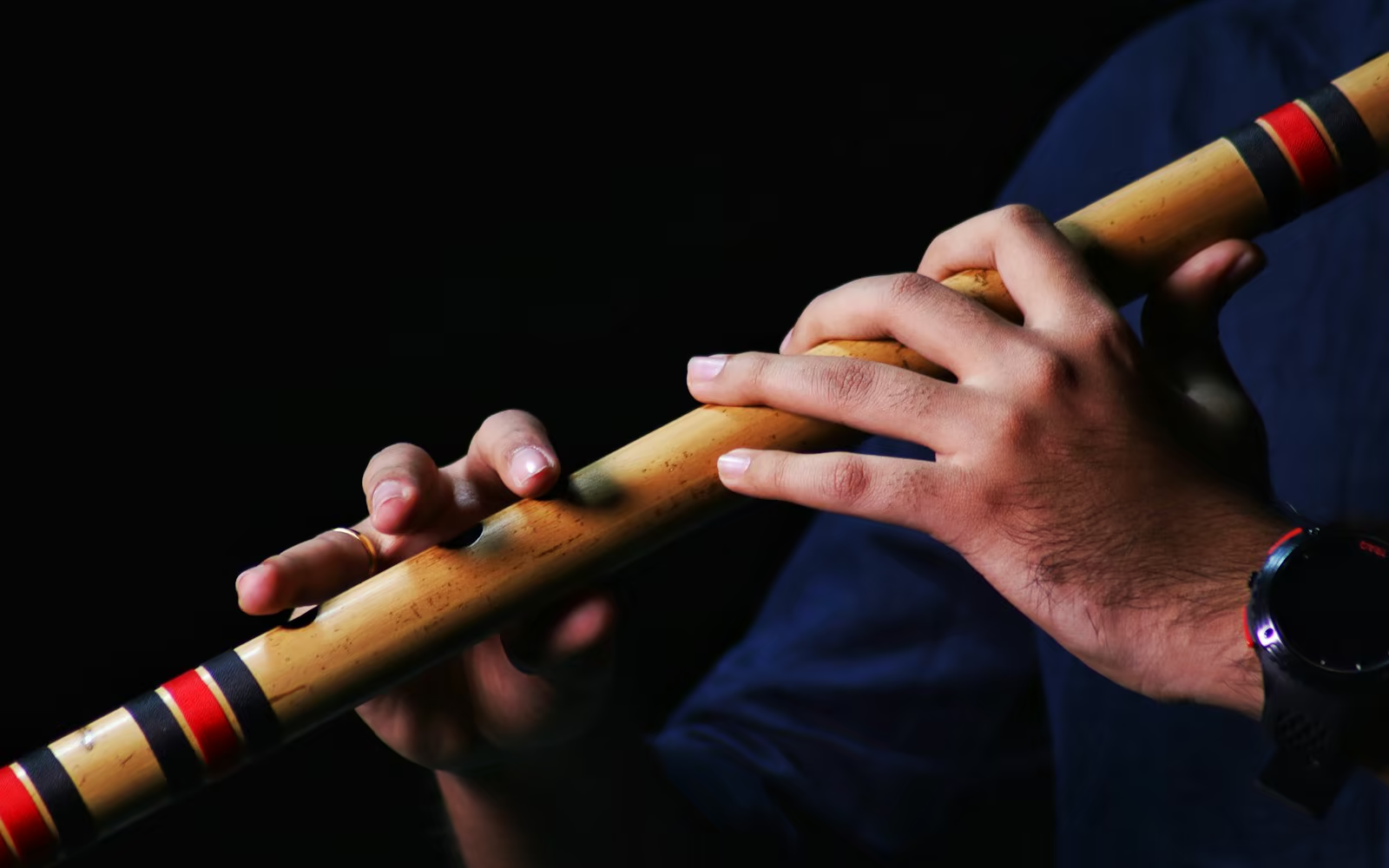
The bansuri has been held as sacred for thousands of years in Indian classical tradition. But beyond the spiritual and aesthetic, there is now a growing body of research suggesting that its effects on the human body and mind are measurable — not just felt.
The Breath Connection
At its core, the bansuri is a breath instrument. To sustain a tone, the player must maintain a long, controlled exhale with a relaxed abdomen and steady lung pressure. This pattern closely mirrors what researchers call “slow paced breathing” — typically defined as four to six breath cycles per minute — which has been consistently linked to increases in heart rate variability (HRV).
HRV is a key marker of autonomic nervous system balance. Higher HRV correlates with reduced anxiety, better emotional regulation, lower resting heart rate, and improved resilience to stress. Studies on wind instrument players show that regular practice produces measurable HRV improvements even outside of practice sessions, suggesting a lasting physiological adaptation.
For listeners, something similar happens through entrainment: the body tends to synchronize its rhythms — breath, heart, and brainwave — with sustained, predictable acoustic patterns. A long flute phrase is a respiratory invitation.
Cortisol and the Sound of Calm
Several studies on music and psychoneuroimmunology have found that acoustic music with slow tempo, low harmonic complexity, and minimal dynamic variation reduces salivary cortisol — the primary stress hormone. The bansuri’s timbre naturally fits this profile. It is warm, airy, largely free of overtone harshness, and played in long, unhurried phrases.
A 2019 study published in Psychoneuroendocrinology found that a single 30-minute session of listening to Indian classical music significantly reduced cortisol levels compared to a control group. Participants also reported decreased perceived stress and improved mood, with effects that persisted for at least 90 minutes after the session.
Brainwave Entrainment and the Alpha State
Neurological research on music listening consistently shows shifts in dominant brainwave frequency depending on the nature of the sound. The bansuri’s gentle, sustained tones are well-suited to facilitating alpha wave activity — the 8–12 Hz frequency range associated with relaxed alertness, creativity, and readiness for learning.
Alpha states are the neurological signature of meditation and early-stage relaxation. They sit between active thinking (beta) and sleep (theta/delta). Music that eases the brain into alpha range can accelerate the process of stress recovery and increase the depth of meditative states for experienced meditators.
Some practitioners and researchers are now using bansuri recordings in therapeutic settings specifically for this purpose — as a non-pharmacological tool for pre-procedural anxiety, post-trauma support, and sleep preparation.
Pain Perception and the Relaxation Response
Music’s effect on pain is one of the most well-researched areas in music therapy. The mechanism involves two pathways. The first is distraction and attentional redirection. The second is physiological: music that activates the parasympathetic nervous system reduces muscle tension, lowers blood pressure, and can shift the body’s pain threshold through the release of endogenous opioids.
Bansuri music, with its meditative phrasing and low arousal profile, has been used in palliative care, pre-operative relaxation protocols, and chronic pain management programs across India and increasingly in Western integrative medicine contexts.
What This Means for Listening
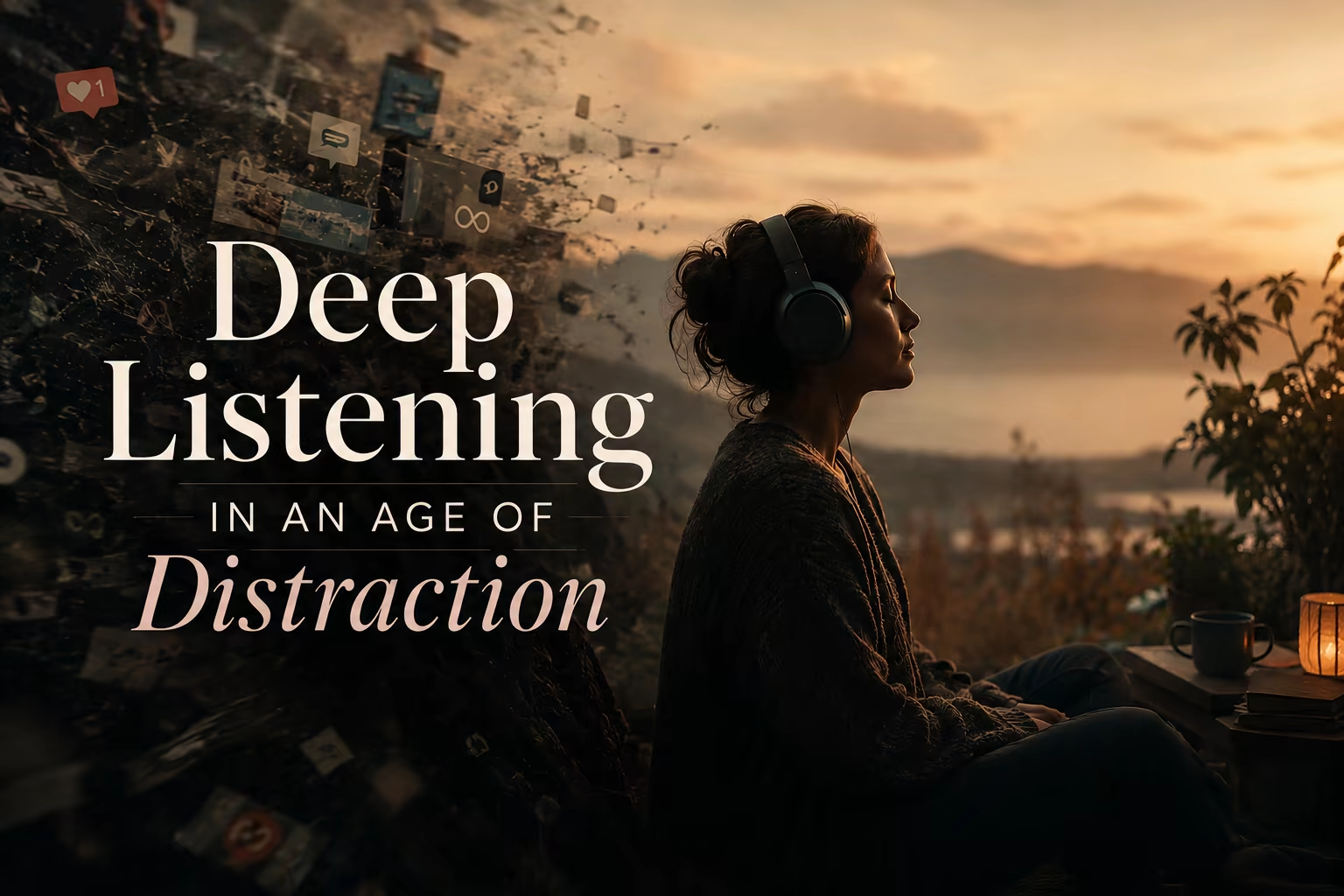
None of this requires clinical intervention to be useful. The same mechanisms are available during an ordinary listening session — with headphones, in a quiet room, with the intention to rest. The body doesn’t distinguish between a structured therapeutic protocol and sincere, undistracted listening.
What the research underscores is something felt practitioners have known for centuries: the bansuri carries something that the nervous system recognizes as safe. Its breath-like phrasing, its warmth, its unhurried quality — these are not just aesthetic choices. They are signals to a body that is always scanning for cues about whether it is okay to soften.
The answer the flute offers, again and again, is yes.